Harry Stebbings, founder of London-based venture firm 20VC, published a LinkedIn post last week that drew immediate fire across European tech.
In it, he described a decade of deliberate imbalance – missed birthdays, heart palpitations, psoriasis – and framed those costs as proof of commitment. "To build something truly special, you have to sacrifice what so few are willing to," he wrote.
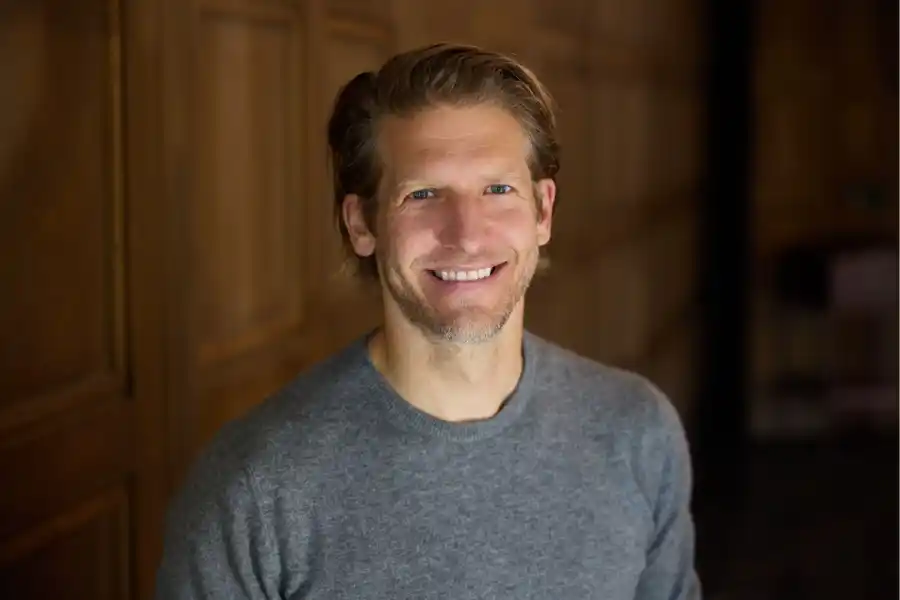
Fabian Heilemann, founder and CEO of Berlin-based impact VC firm AENU, was one of many to call out the London-based podcaster and investor.
"I mean, what's the end game? It's basically the burnout CEO in rehab, in hospital,” he tells Impact Loop over the phone. “Maybe some people succeed in avoiding it, or pulling the parachute at the very last minute. But that's ultimately what he's arguing – what he's setting himself up for."
The personal risks aside, Heilemann also questions the logic behind the “grindset” rhetoric.
"I would even say it is to some degree contradicting," he says. "The instrument to try to achieve ultimate success turns into the ultimate impediment at the same time."
Heilemann is speaking from experience. He and his brother Ferry built and sold the couponing platform DailyDeal to Google for $114m in 2011. Fabian then co-founded the logistics-tech unicorn Forto, before moving to the investment side as a general partner at Earlybird Venture Capital and eventually launching AENU.
'We paid a huge price'
Heilemann says the hustle culture Stebbings describes was the default when he entered the Berlin tech ecosystem around 2008, imported from investment banking and consulting.
"The idea was, everyone has about the same output per hour – so simply grinding more and more hours is a competitive advantage," he says. "And I paid a huge price for it. Socially, mental health, physical health, burnout. My brother had slipped discs, back pain – all of it."
Heilemann doesn't pretend those long hours were irrelevant to his early success. In that era of Berlin tech, building copy-cat e-commerce businesses with minimal product differentiation, he says working 100 hours was genuinely better than 60. But he argues that framing no longer holds in today’s tech ecosystem.
"You need to pursue endeavours and strategies and products that have different points of differentiation – beyond just differentiating by grinding," he says, while questioning whether those long workweeks actually paid off in the long run.
"The crazy grind periods often cost me more than they built," he continues. "Because I made decisions with a clouded mind, I lost sight of the big picture."
In hindsight, Heilemann thinks his most productive times looked nothing like 996.
"The times that moved those companies forward were mostly the ones I slept closer to seven hours, kept the yoga mat in sight, and had coaches on speed dial," he says.
The response to Heilemann’s LinkedIn post suggests he is not alone.
"If your competitive moat is 20% more working hours, then you should rethink your business plan," wrote Arne Morteani, founding partner at climate tech VC Kiko Ventures.
Hampus Jakobsson, general partner at Pale Blue Dot, called it "absolute absurdity to brag about how cool it is to sacrifice oneself for money and fame."
Felix Leonhardt, managing partner at Oyster Bay Venture Capital, shared an anecdote about his own experience, saying that his quality of decisions directly correlates with time spent thinking and reflecting rather than hustling.
What he does instead
Today Heilemann describes a working pattern of 50 to 70 hours a week – still intense by most measures, but structured around what he calls a “sustainable operating system”: daily exercise, a vegetarian diet, and around seven hours of sleep on average.
Outside the office, he loves to surf – recently conquering the world’s largest wave in Nazare, Portugal. The 43-year-old is also a father of three.
He has also practised Zen meditation for around five or six years, with a cushion and a dedicated space in his office. He uses short sessions – ten or fifteen minutes – between meetings and high-stakes situations to reset.
"It has fundamentally increased my level of clarity and peace of mind," he says. "I use it as an instrument during my workday – to calm down my mind completely to zero in between meetings and pitches."
Heilemann says he has built that culture of mindfulness into AENU. For one, the firm has published a Mental Strength Manual for its portfolio founders, offering subsidised therapy, founder peer groups, and retreats with vetted coaches.
While Heilemann is clear that intensity still has a place – when a hot deal requires the team to work through a weekend, for example – he doesn’t think it should be the default.
"In the spirit of yin and yang, you also should always have these moments of reflection – of recalibrating, of balancing, of nurturing your mental and physical health," he says. "Otherwise, you're just consuming the foundation."